
Putting Rum Transparency on the Map
The hot topic of additive-free tequila and agave spirits begs the question, and what about rum?
Additive-free tequila has won a generation of health-conscious drinkers into believing it’s a “cleaner” choice. Free of artificial additives, meaning a purer drinking experience and less hangovers, right? It’s only a matter of time before rum needs to address this.
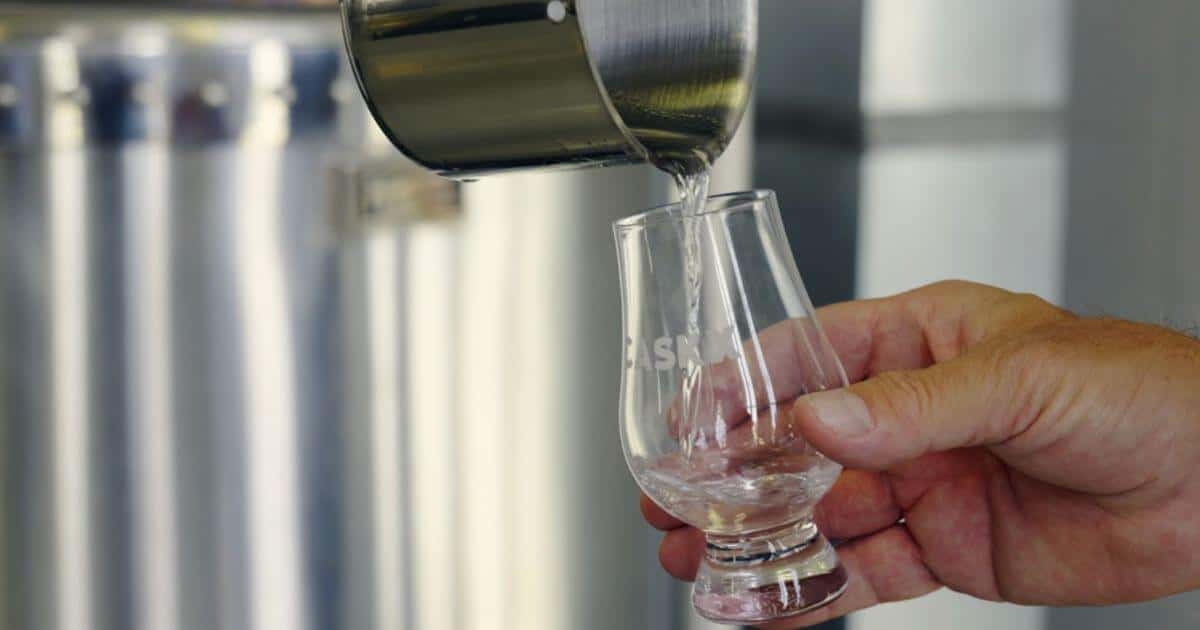
Additive-free rum contains nothing beyond distillate, water, and cask influence. No added sugar, glycerin, caramel colouring, artificial flavouring, or oak extract. You taste the raw spirit and nothing else.
The sugar-coated perception about rum has plenty of misconceptions. In the absence of widespread agreed regulations, bad actors fill the gaps. We live in an era of the biggest disconnect between brand marketing and what today’s consumers expect. In a world where kids at school discuss macros, its time spirits marketing woke up to the granular expectations coming down the line.
Rum transparency is way behind most other spirits, and even with the Tequila controversies, they are years ahead of rum and addressing the issues. Too many people still say rum is unregulated, even brand ambassadors and educators can be caught saying this at public events. Educating the educators is for another article, but we can safely say rum regulations are fragmented across regions and countries, making clear unified facts hard to present.
With excessively broad production standards compared to spirits like bourbon or Scotch, modern rum often contains added sugar, glycerol, artificial flavouring, and caramel colouring without any labelling requirement. Frameworks in whisky, wine, and tequila consolidates trust. In rum, brands largely police themselves, and label marketing is unreliable. So, many marketeers enter the category as disruptors only to copy some vanilla Shopify aesthetic with no transparency.
That is outdated and very 2023. Health-conscious consumers have moved on. Dusty rum bottles stay on shelves due to additive ambiguity. A quick search reveals that glycerin, commonly added to spirits for a smoother mouthfeel, is widely associated with an increased hangover. Bartenders and trade buyers recognise the need for change. Tequila went through this accountability cycle first, fundamentally changing how that category is bought and sold. Now it’s rum’s turn.
The demand comes from everyday drinkers and not just a small group of nerds. People who never use the word congener still want to know if their rum is sweetened. That is a reasonable expectation, and it is exactly the question The Rum Geography helps answer. Accessibility starts with cohesive data. Right now, the rum industry makes accessing that data harder than necessary.
Rum Transparency Baked in from the Start
When The Rum Geography launched in 2023, transparency was a foundation, not a later addition. We added fast facts to brand profiles so visitors could make their own choice quickly. Understanding the generational shift from brands as broadcasters, to consumers who educate themselves post pandemic was our driver, that’s not a fad, that’s a shift in how people engage.
Our facts include Founded year, base ingredient, cask type, fermentation time, still type, rum style, and sugarcane season are small details that build a clear picture of production. One of the most telling fields is Origin of Spirit. It shows whether the liquid was made in the country the brand calls home, cutting through marketing noise.
This platform serves the person planning a trip to Barbados who wants to visit a real distillery, the bartender analysing a back bar rum, or the curious drinker in a bottle shop. These groups make up 90% of the people who interact with rum, and they deserve impartial, clear information.
Over 1,600 brands are now mapped on the platform with verified founded years. Producers update these fast facts themselves, or we verify them through direct research. It is a living database. Distilleries open, close, change hands, and launch new expressions weekly. The map reflects these changes.
The transparency filters extend what we started building three years ago.
How We Built the Additive-Free Rum List
Getting this right mattered more than speed. No independent certification body or global standard exists for additive-free rum. A patchwork of national laws, producer statements, enthusiast testing, and informed articles takes its place. Our list is a global rum map filter which addresses the need for cohesive clarity in real time.
Third-party websites like Tequila Matchmaker and the Additive Free Alliance faced challenges when brands or authorities contested additive-free claims. We learned from those challenges. The tequila situation made additive-free a highly searched term rather than a toxic one. Consumer awareness grew because of that controversy, and additive-free rum follows the same trajectory. Unqualified claims presented as independent certification caused the issue, not the term itself. We do not make claims on behalf of brands. We act as a guide, not a legal framework or an independent testing body. We conducted no independent laboratory testing.
Instead, we built a multi-stage process designed to challenge and instil balance at every step.
Regulation as a Baseline
We started where evidence is strongest: jurisdictions where additive-free production is a legal requirement.
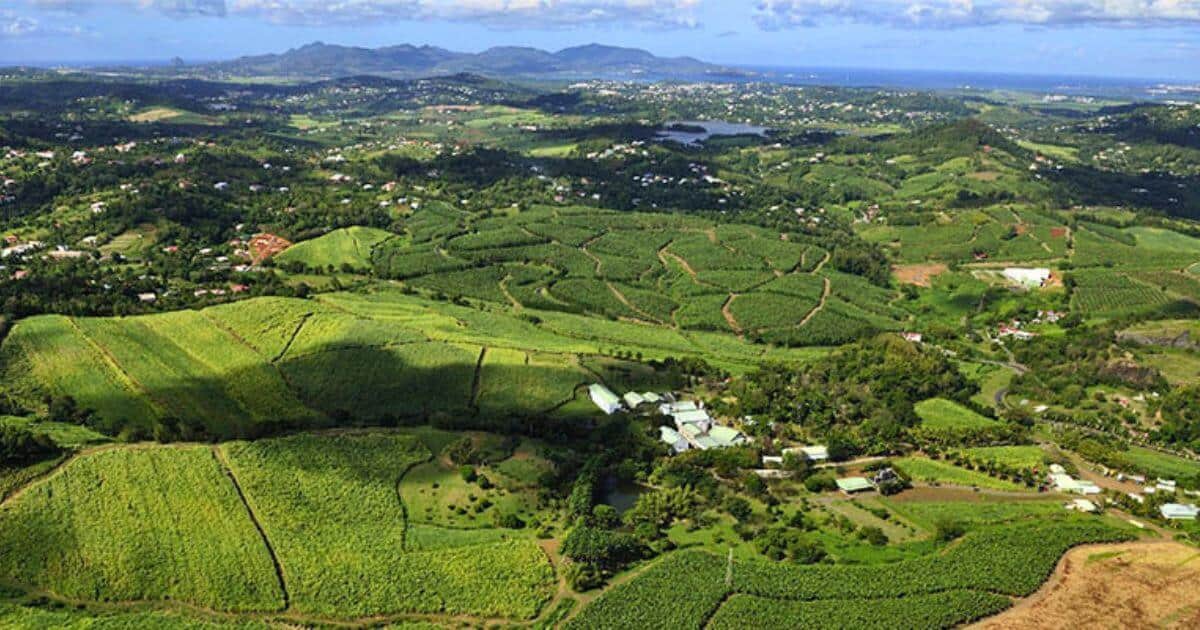
AOC Martinique operates under French appellation law prohibiting added sugar, artificial flavouring, and post-distillation adulteration. Guadeloupe PGI carries similar restrictions under its protected designation framework. Jamaican GI rum, governed by the Geographical Indication standards, prohibits added sugar, sweeteners, and flavourings in any rum carrying the Jamaican designation.
The spectrum of legal allowances is wide. AOC Martinique prohibits any post-distillation addition. The US permits up to 2.5% colouring, flavouring, or blending materials in standard rum without requiring label disclosure. Some markets allow grain-based spirits with artificial rum flavouring to be sold as rum. This range makes the origin of spirit field critical on every profile.
Producers within regulated frameworks are classified based on law rather than brand statements. One nuance applies: E150a spirit caramel is permitted in small quantities for colour standardisation in aged expressions under these frameworks. This is acknowledged and addressed in our classification approach.
Assisted Research
Outside legally governed jurisdictions, production details are less defined. We used structured research prompts across Perplexity, Claude, and Gemini to systematically surface production documentation, distillery technical statements, independent reviews, and industry interviews.
This was not automated list generation. Each output served as a research lead rather than a conclusion, identifying where credible evidence existed or lacked.
Manual Verification
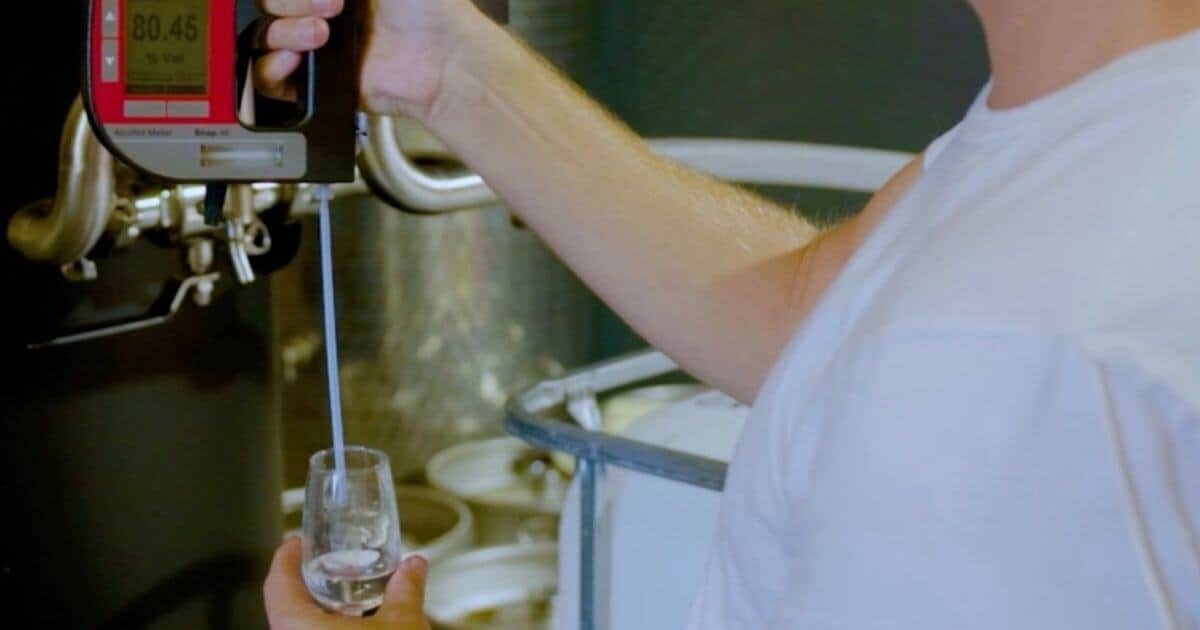
Every brand surfaced through research was cross-referenced manually. We searched for independent hydrometer test results, entries in sugar databases, direct producer transparency statements, and coverage in the media. Where a brand’s additive-free claim rested solely on its own marketing copy without corroborating sources, it was excluded.
Some brands go beyond statements. Kuleana Rum Works sends samples to White Labs Analytical Lab for independent testing. Their results show total sugar levels below 0.5 grams per litre, which is within the natural range for spirits without added sugar. Publicly available independent lab results serve as the strongest supporting evidence in our assessment.
Transparency Map Filters Explained
These three filters exist because consumers asked for them through search behaviour and direct inquiries to distilleries and bars. The rum industry is responding slowly, and we want to reflect that progress accurately.
Additive-Free Rum
Our Additive-Free Filter has currently around 90 results and that will change over time. Additive-free rum contains no added sugar, sweeteners, or glycerol used to alter mouthfeel or mask distillation quality. Our standard follows one rule and one exception.
- The Rule: No rum on this list contains added sugar, sweeteners, glycerin, artificial flavouring, or oak extract used to modify flavour or mask distillation characteristics.
- The Exception: Some producers take the strictest line, viewing anything added after distillation as an additive, including E150a. Kuleana Rum Works defines additive-free as nothing added after the still. Others, including producers within Jamaica’s GI framework, permit minimal E150a use for visual batch consistency while remaining universally recognised as additive-free. Disclosure and intent matter most. Colour standardisation belongs in a different category from sweetening or flavour masking. We draw that line clearly.
Our Additive-Free designation on brand profiles is a guide, not a legal classification, and reflects widely reported data. Every profile carries a disclaimer stating this clearly. This is an important distinction from the tequila route of certification and lab verifications that led to lawsuits. We’re not the judge and jury, we are simply providing transparency where it was lacking. You can browse verified additive-free rum profiles on the world rum map using the Additive-Free filter.
Single Estate Rum
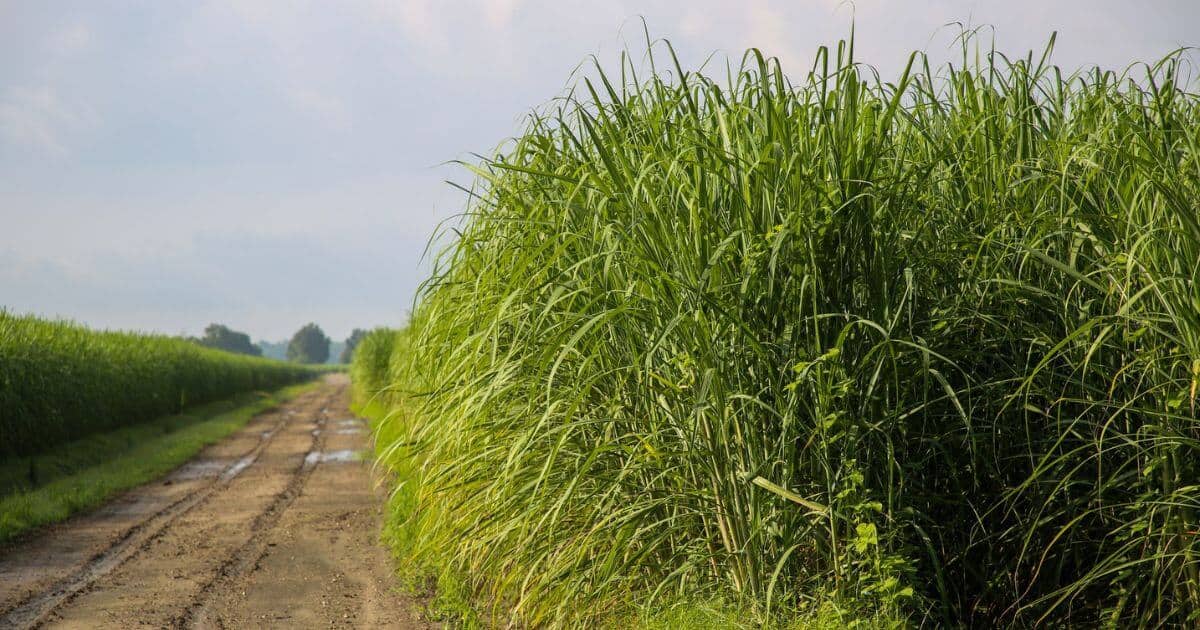
Our Single Estate Map Filter has currently around 30-40 results. Single estate means the entire production process happens in one place. The sugarcane is grown, processed, distilled, and bottled on the same estate. Some are easy to identify like Oxbox Rum Distillery in Louisiana, USA (pictured above). For a molasses rum to qualify, the producer needs an operational sugar refinery on site. This requires a significant commitment of land, infrastructure, and capital. The numbers are modest because the standard is strict. If we omitted a qualified estate, please contact us.
Organic Certified Rum
Our Organic Certified Map Filter currently has over 20 results. A strictly interpreted certified organic list from 1,600 brands returns very few entries, which limits practical utility. We include brands with at least one certified organic product in their range, rather than requiring every expression to hold certification. Ron Barceló sells a certified organic rum in multiple markets. This is a verifiable fact worth surfacing even if their full range operates under a different standard. The certified entries reflect the current state of organic production.
The Rum Landscape Is Yours to Explore
Rum is diverse, accessible, and needs better understanding. New distilleries are opening, established ones are reinventing themselves, and the OGs are finally gaining the recognition they deserve.
The Rum Geography was built to change the narrative from rum as commodity to location based agricultural destination. Transparency is a key part of that story. Our map filters exist to help you learn, decide where to visit, and what is in your glass.
We capture the live rum landscape. If a brand belongs on a transparency list and is missing, or if one should be removed, please tell us. Input drives the rum community forward.
Rum is made cold countries, volcanic islands, and in metro cities. Our goal is to map it, so readers stay informed. For rum to progress, additive-free rum can change the course for the whole rum category and inspire better brands in the future.
Start your Additive Free search: Explore the Rum Map
Further reading:
- What Is Rum? The Beginner’s Guide for category context.
- How Rum Is Made to understand where additives enter production.
- Rum Wonk: Rum Additives for detailed country-by-country regulatory breakdowns.
