
American 250: The Untold Spirit of America
As many people reach for an American whiskey to toast Independence Day, there is a story less well-known. If you want to savour the true spirit of the colonial era, you should be sipping an unadulterated New England Rum. American rum began well before the US existed and became the economic catalyst for its existence.
Going back to colonial times, rum was the economic heartbeat of the colonies. It was commoditised and so heavily taxed that smuggling it became a patriotic act. Centuries on, the country’s original spirit has become practically invisible to mainstream consumers. Long before the first commercial whiskey distillery opened, colonial port towns ran on American-made rum. It built economies, fuelled resistance, and filled the cups of the founding fathers. This is the story they skipped in the history books.
Dutch Roots and Myths
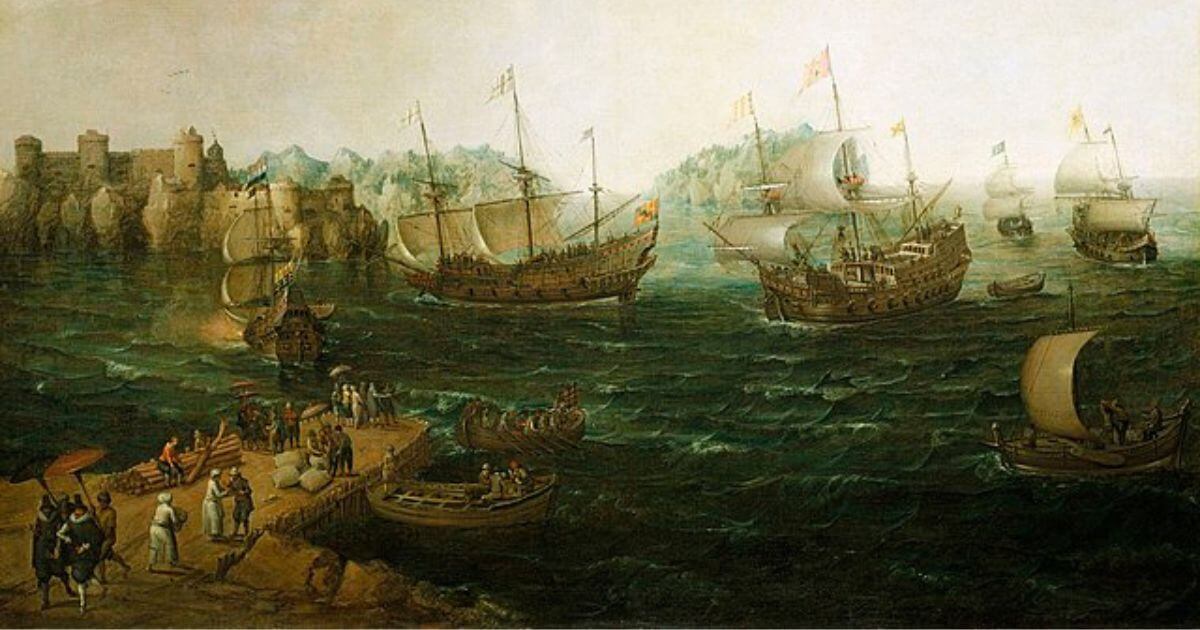
America’s oldest distilling tradition did not start in Kentucky. The documented trail begins in 1640, inside the Dutch colony of New Netherland, long before the English renamed it New York. Early records show Dutch settlers operating commercial stills for genever, a traditional grain spirit, with production extending toward Staten Island.
Many references or accounts trace the birth of American rum distillation to Staten Island in 1664, followed by a commercial distillery in Boston in 1667. Whether these are accurate, the broader picture is clear. Small-scale Dutch grain and brandy production paved the way in the 1640s. Full industrial-scale distilling took hold by the late 1600s, driven by the expanding Atlantic molasses trade.
The shift from grain to sugar happened fast. Considering Boston was officially founded in 1630, the city’s first licensed distiller was William Toy, who received a license in 1646. By the 1660s and 1670s, single-purpose rum stillhouses began lining the Boston Harbor to distill cheap West Indies molasses into New England rum.
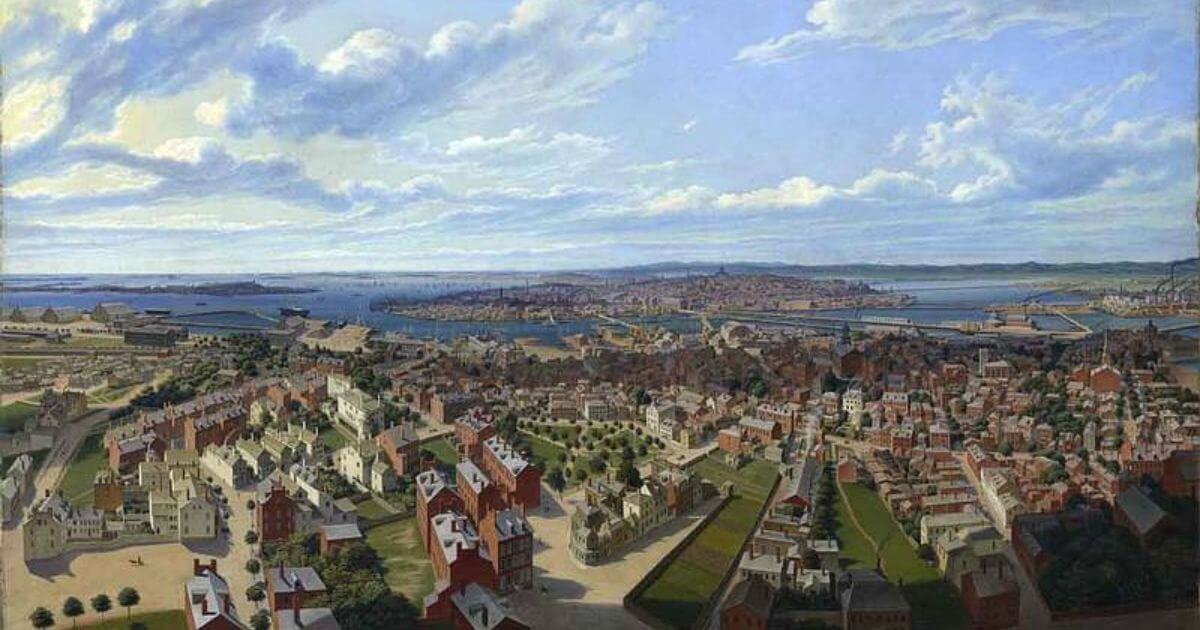
By the late 1600s, New England merchants had built a massive industrial system driven by Caribbean molasses. Boston opened dedicated stillhouses, turning coastal ports into serious refining hubs. Ships carried lumber and fish south to the Caribbean and returned heavy with molasses to feed colonial stills. Long before the Revolution, New England rum was the dominant economic engine of the northern colonies.
Economic Spirit of Revolution
What is America’s original spirit? The instinctive answers are bourbon, moonshine, applejack, peach brandy. The trade records settle it quickly. Early colonial fruit and grain distillation did exist, but those operations were seasonal, domestic, and tied to individual estates. Rum was categorically different. By the late 1600s, it was the first spirit in the thirteen colonies to reach commercial scale. Large distillation facilities in Boston and Newport turned millions of gallons of imported molasses into rum, which then dispersed to local and distant taverns. In the other direction cod, lumber, and livestock travelled south to the Caribbean, locking in a lucrative trade. Much of the rum or molasses arriving in Boston or Newport had brief stays and went to other destinations like Newfoundland or Virginia.
By the time of the Revolution, colonists were drinking 3.7 gallons of rum per capita annually. Whiskey remained a backcountry substitute. Brandy was a local luxury. If you define America’s original spirit by industrial precedence, economic volume, and market reach, rum is not even a close contest.
Look at the trade records from the 1730s to see how a beverage drove a revolution. Parliament passed the Molasses Act of 1733, placing a heavy tax on molasses imported from non-British islands. The policy collapsed on contact with reality. New England merchants became systematic smugglers, pulling cheaper feedstock from French Caribbean colonies directly into northern ports. In 1735, British customs officials collected just 259 pounds sterling out of an expected 25,000 pounds. The rest fed over twenty-five industrial distilleries in Boston alone, completely untaxed.
This underground molasses network did more than supply cheap spirit. It built the financial infrastructure and the culture of defiance that made independence thinkable. Parliament tried to control the trade. Colonial merchants simply routed around them.
The Colonial Weapon and Hamilton’s Betrayal
Historical records show that America would not be a country, and George Washington would not be president, without rum and its trade. By the 1660s, distilleries in New York and Boston were already refining molasses into the colonies’ dominant drink. John Adams put it plainly: the molasses trade was an essential ingredient in American independence.
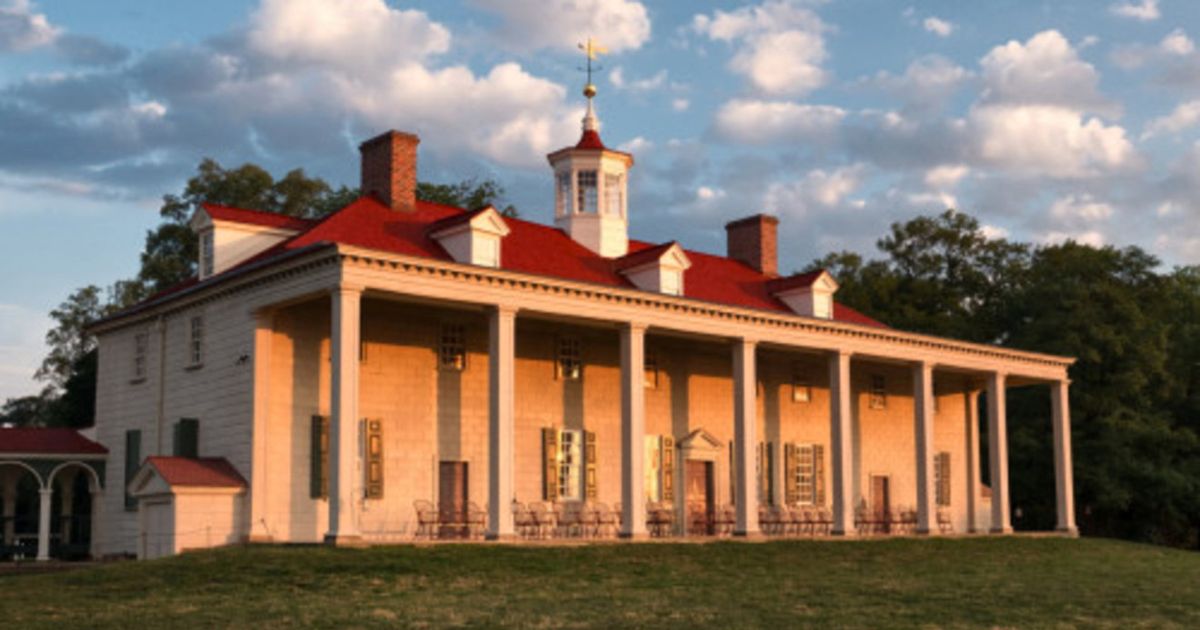
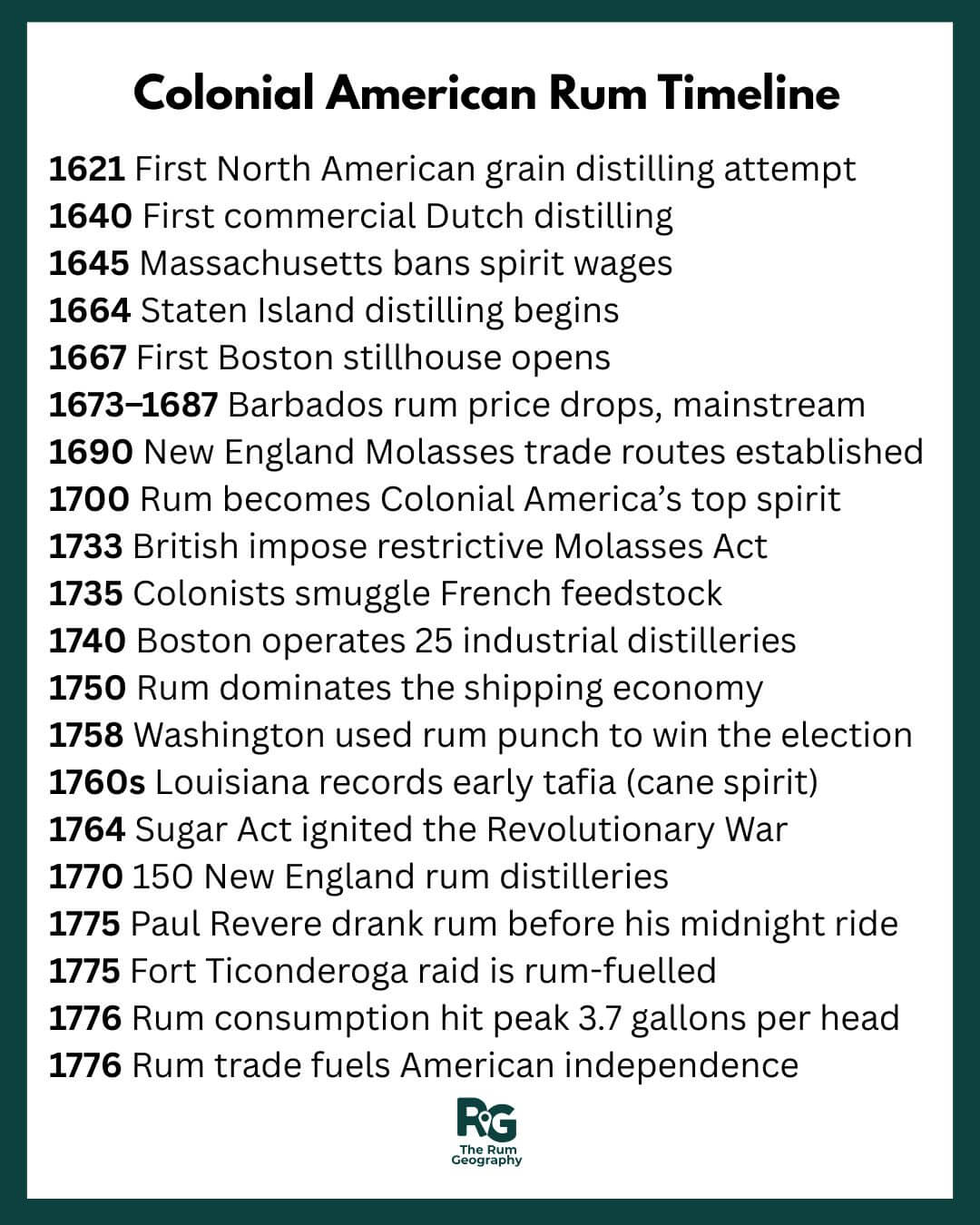
George Washington understood its structural importance. In 1758, he won his election to the Virginia House of Burgesses by treating voters to Bumbo, a potent rum punch. During the Revolutionary War, he petitioned Congress for state-run rum distilleries to keep his troops alive. He secured a daily rum ration for the Continental Army. In 1775, Ethan Allen and the Green Mountain Boys fuelled their surprise raid on Fort Ticonderoga with the Stone Fence, a mix of rum and hard cider. Washington loved Barbados rum so much he ordered a cask from the historic Mount Gilboa estate to mark his 1789 presidential inauguration. Here’s the Colonial American Rum Timeline:
So why did the undisputed king of American spirits disappear? It was not consumer preference. It was deliberate economics, driven by supply chain collapse and targeted federal legislation.
Before the Revolution, American rum production ran on molasses from Caribbean ports. When war broke out, British naval blockades choked shipping lanes, and production stopped. After independence, the federal government needed to secure borders and build a domestic economy. Alexander Hamilton’s Excise Act of 1791 was designed to penalize imported sugar inputs while protecting domestic grain agriculture. Western settlers converted surplus corn and rye into liquid currency. Whiskey rose. Meanwhile, heavy government taxes stamped out coastal rum distillers over the following decades.
Rum did not lose the popular vote. Federal legislation broke it to clear the path for grain spirits interests.
Protected Favorite and Bourbon Dumping
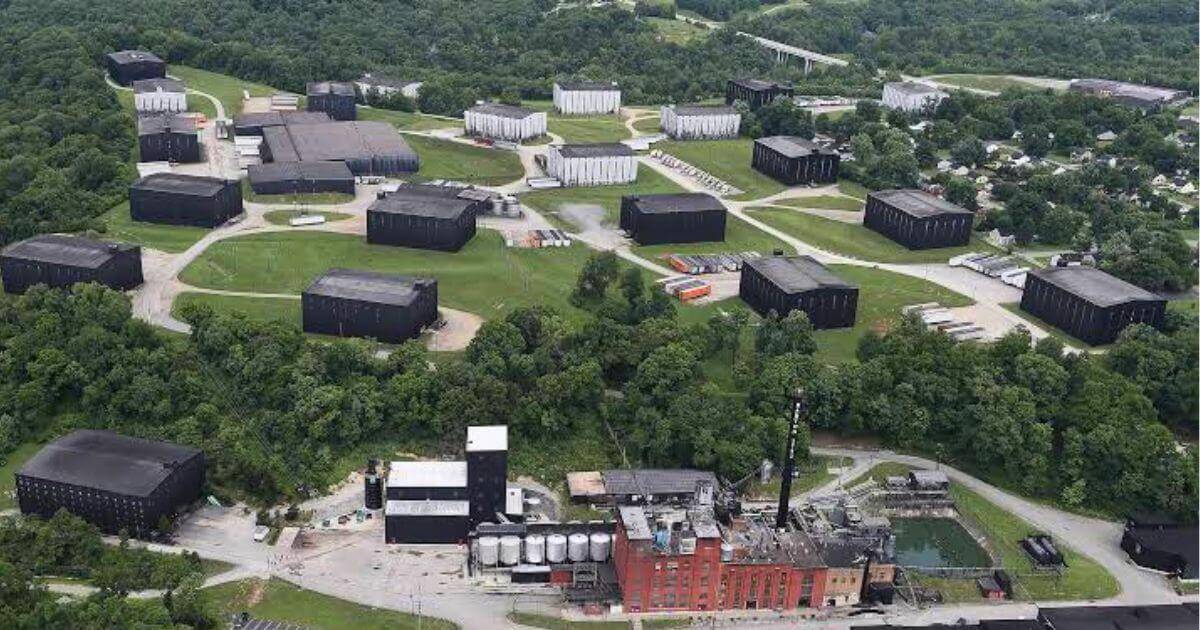
Bourbon became the ultimate nepo baby of American spirits. It did not achieve its status through a fair market or superior craftsmanship. It was systematically built by government protection, receiving decades of favorable tax laws, subsidies, and legal definitions that grain lobbyists fought to secure. While federal legislation aggressively suppressed a defined and protected American rum, it cleared a smooth, subsidised path for US corn whiskey. This compounding financial advantage allowed industrial bourbon networks to grow massive, well-funded operations over the next century.
That generational favoritism still causes tremendous damage today. Giant corporate whiskey conglomerates are currently dumping massive volumes of mature, aged bourbon stock onto state markets. The geographic impact on surrounding states hampers the coming-of-age rum releases that have little chance of getting seen. This aggressive saturation leaves little to no physical retail or bar shelf space for the green shoots of independent American rum. Even though they are completely different spirits, corporate whiskey is drowning local distribution networks, squeezing out small brands, and making it incredibly difficult for authentic American rum to survive in its own country. It’s an uncomfortable truth in American spirits in 2026 and should be remembered when spending your hard earned dollars.
Hiding in Plain Sight: The Modern Pioneer
The biggest mistake some American rum producers make today is copying the Caribbean and using lazy tropes linking it to its popular neighbouring region for validation. Like calling their rum Jamaican proof or Jamaican style when it is pot-distilled. These terms are marketing an exotic perception rather than an authentic connection. It often reveals to an educated eye a lack of confidence and courage. For decades, the US industry has leaned on tropical marketing conventions: pirates, palm trees, nautical imagery, even when the liquid comes from a landlocked midwestern warehouse. By imitating Jamaica or Barbados, domestic producers validate the idea that legitimate rum only belongs to the islands. That strategy ignores their own heritage.
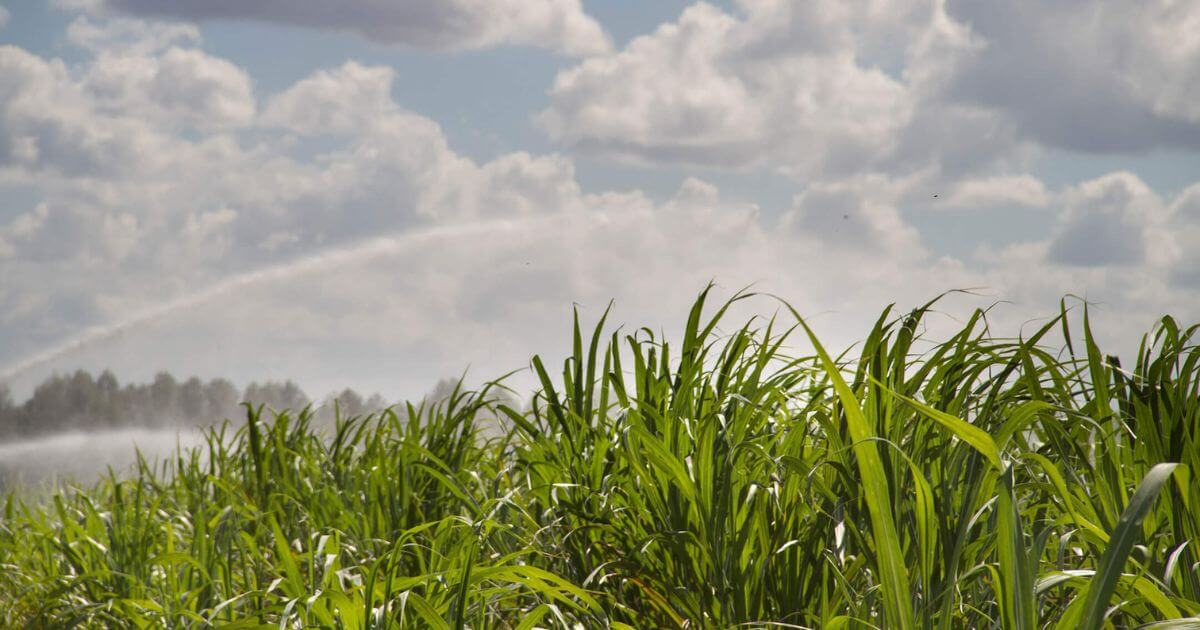
America has a distinct distilling history rooted in industrial ports, historic coastal towns, and complex regional agricultural inputs. Producers do not need to mimic tropical ester profiles or foreign aging traditions to be credible. The path forward is building an authentic American identity: local grains, regional sugarcane varieties, native climates, and honest production. Drop the borrowed identity. Stand on the actual history. What is supported, flourishes. It’s easier to shade a neighbour and enable a stranger. That social habit should hit hard with anyone who’s ever started a business.
Embrace America as a multi-climate ageing powerhouse. From new charred oak to high mountain and desert climates. This uniqueness makes American rum different from anywhere else.
In the high altitudes of Colorado, thin mountain air slows extraction from the barrel, building elegant, deep profiles. In Texas, intense heat and humidity drive rapid wood interaction and fast maturation. Coastal distillers in New England work with maritime humidity and wide seasonal temperature swings to pull brine and spice characteristics from the barrel. The cuts in the Queen’s Share are the distillers tailoring tool. From single-estate southern sugarcane fields to cold northern cellars, every climate zone required to produce serious aged rum exists within American borders. This is a patchwork landscape hiding in plain sight. But because it doesn’t fit into a neat box, many broadcasters or educators in rum simply dismiss it. However, the more we map it, the clearer a path becomes, and American rum is changing.
The Invisible Renaissance
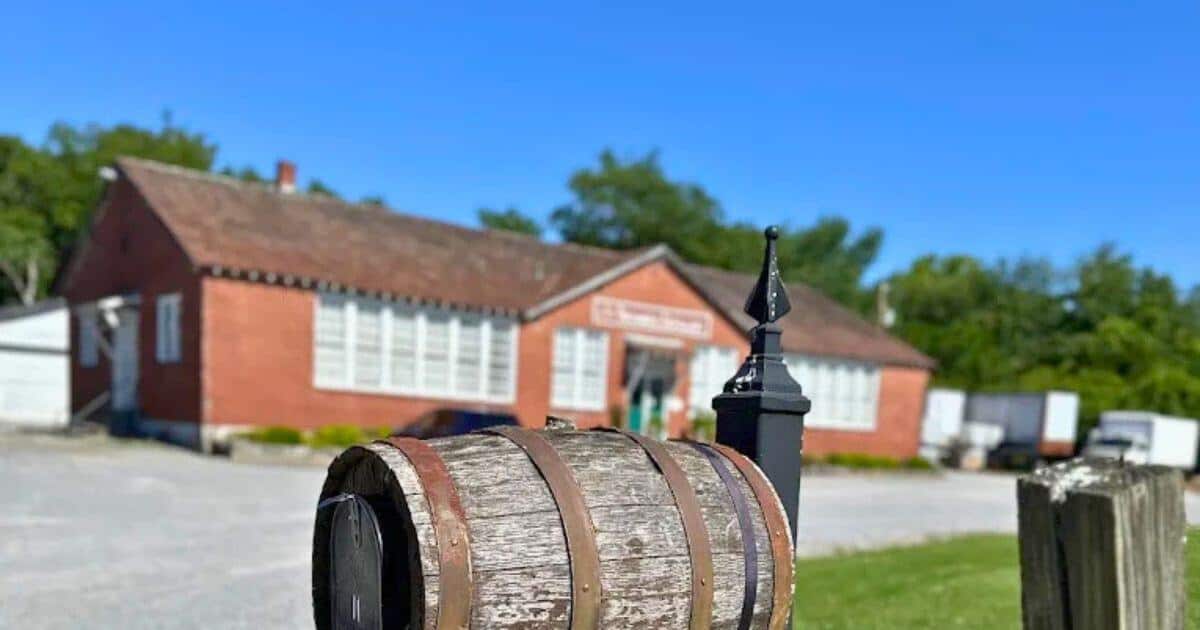
Post-Prohibition regulations blocked small-scale distilling for several decades. This dislocated the nation’s craftsmanship heritage, root and branch. State legislators were slow to reintroduce the conditions for craft distilleries to take off again. This generational disconnect has had a profound effect and left modern brands with an identity crisis in what should have been an uninterrupted lineage. The modern American rum revival is genuinely pretty recent, which is why the gap needs to be filled. Modern audiences aren’t aware why and how we got here.
Before the 2010s craft distilling boom reached critical mass, a small group of independent producers laid the legal and operational groundwork. St. George Spirits in California started craft distilling in 1982, later pioneering fresh cane juice rum. In 1997, Phil Prichard opened Prichard’s Distillery in Tennessee, explicitly attempting to resurrect colonial-style production. Richland Rum planted a Georgia sugarcane estate in 1999 to produce a single-estate liquid. Charbay distilled estate cane syrup in 2005. Texas got its first legal rum distillery with Railean in 2006. Montanya pioneered Colorado mountain rum in 2008. By 2010, Desert Diamond became Arizona’s oldest craft distillery. Muddy River Distillery in the Carolinas and Privateer Rum in Massachusetts both opened in 2011.
These producers grew organically, driven by curiosity and honouring their forefather’s spirit. They fought hard to built for a different era, experimented and sourced raw materials like molasses without the established supply chains of today, and opened markets that did not yet exist. The 500+ independent American rum brands operating today owe them a debt that rarely gets acknowledged.
Two and a half centuries after the early colonial era, mass-market rum imports dominate liquor store and bar shelf space, created because local legislators slept on 60 years of American heritage. That gap still causes damage to this today, with 500+ independent brands fighting for survival in their own country. The US drinks 20% of the world’s rum but produces less than 1%.
Next time you reach for mass-market industrial imported rum from the well, think what a local bottle means. The significance it represents to American families, their blood, sweat and tears, a passionate distiller’s philosophy. The impact and roots are deeper than a tree, in how they back local suppliers, agriculture, distilling and ageing techniques. It covers fair wages, local taxes, and directly invests in the community.
250 years is long enough to wait for recognition. We map the American rum landscape to ensure you can easily find it in one place. America’s original spirit is still here. If you want to see it in another generation don’t sleep on your support of your own neighborhood distilleries.
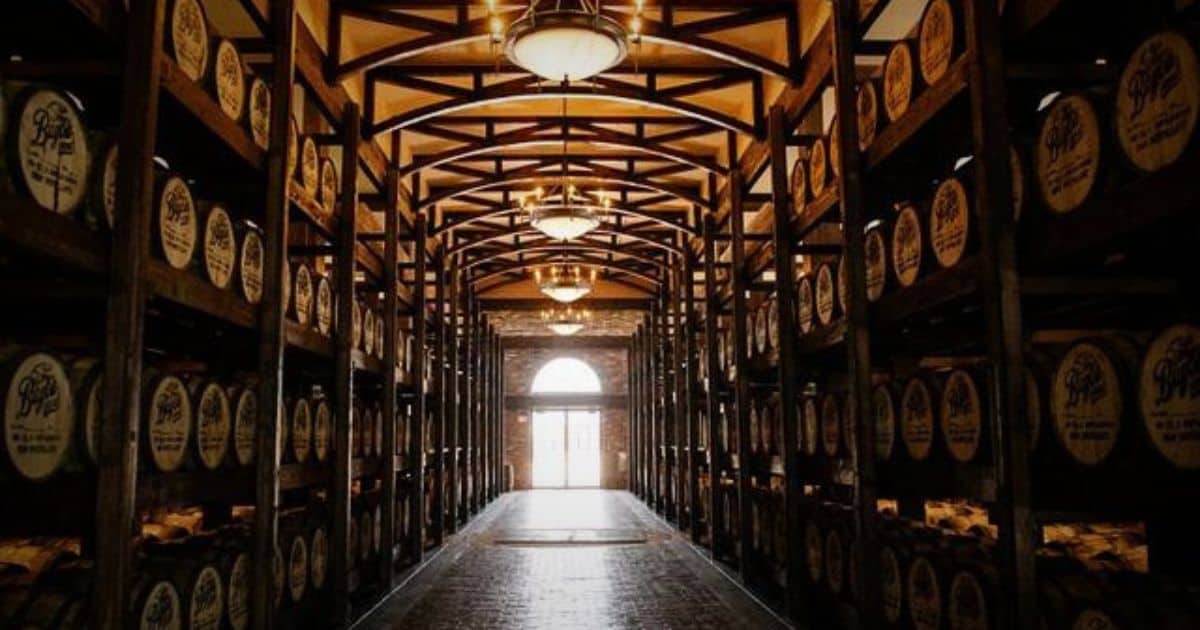
Explore the landscape of US rum in our Introducing The United States of Rum
And, Explore the United States Rum Maps
American rum is being rediscovered, so it’s good to know where it came from and why it is the way it is today.
